


Why Choose Us
Quality Products
We are a professional manufacturer of optical instruments with more than 20 years of experience in the industry. Our products undergo rigorous quality control and testing to ensure they meet the highest standards of performance and reliability.
Wide Range of Products
We offer a wide range of optical instruments, including crystalizers, evaporators, and other laboratory equipment. Our products are suitable for a variety of applications, including scientific research, industrial production, and educational purposes.
Competitive Pricing
We offer competitive pricing on all of our products, making them accessible to customers of all budgets and sizes.
Excellent Customer Service
We are committed to providing excellent customer service, including fast and reliable delivery, responsive technical support, and after-sales service.
A handheld magnifying glass is a device used to enlarge the appearance of objects. It consists of a handle and a magnifying lens. You can hold it in your hand and bring it close to the object you want to observe in detail. It is commonly used by people with vision impairments or for close-up work that requires precision, such as needlework, reading small print, and inspecting coins or stamps.
Enhanced visibility: The primary advantage of a handheld magnifying glass is that it improves visibility of small and intricate details. Whether you need to read fine print, examine small objects or investigate minute details, a magnifying glass can provide a clear and enlarged view, enabling you to see things that would otherwise remain invisible to the naked eye.
Versatility: Handheld magnifying glasses come in various sizes and magnification strengths, making them versatile tools that can be used in a wide range of applications. They can be used for reading books, newspapers, and maps, as well as for examining documents, coins, stamps, jewelry, and even plants and insects. This versatility allows individuals from different fields, such as researchers, collectors, and hobbyists, to benefit from the use of a handheld magnifying glass.
Portability: The compact size of a handheld magnifying glass makes it easy to carry around wherever you go. Its lightweight nature ensures that it can be conveniently stored in your pocket, bag, or purse without taking up much space or causing any inconvenience. This portability allows for quick and easy access to magnification whenever it is needed, making it highly practical for outdoor activities or while traveling.
Cost-effective: Compared to other optical devices, a handheld magnifying glass is relatively inexpensive. Its affordability makes it accessible to a wide range of people, from students to professionals, who may require magnification for various purposes. This cost-effectiveness also makes it a suitable tool for classroom settings, allowing teachers to provide a magnification solution without exceeding their budgets.
User-friendly: The simplicity of using a handheld magnifying glass adds to its advantages. No technical knowledge or training is required to operate it effectively. All you need to do is hold the magnifying glass over the object you want to see more clearly and adjust the distance until the desired magnification is achieved. This ease of use makes it accessible to people of all ages and abilities, including children and senior citizens.
How do you use a handheld magnifying glass?
Grip the handle
Hold the handheld magnifying glass firmly by its handle. Choose a comfortable grip that allows you to have control over the movement of the magnifying glass.
Position the object
Bring the object you want to magnify closer to your eyes. Hold it steady or place it on a stable surface to prevent any shaking or blurriness while using the magnifying glass.
Adjust the distance
Find the right distance between the magnifying glass and the object. Start by holding the magnifying glass a few inches away from the object and slowly move it closer until you achieve the desired magnification.
Focus the magnifying glass
Hold the magnifying glass at a slight angle towards the object you want to magnify. Adjust the angle until you find the sharpest and clearest image. It may take some practice to find the correct angle for optimal magnification.
Move the magnifying glass
If the object you are examining is larger than the magnifying glass lens, you will need to move the magnifying glass across the surface of the object. Use gentle and slow movements to prevent any blurriness or distortion in the magnified image.
Use proper lighting
Adequate lighting is crucial for effectively using a handheld magnifying glass. Make sure the object is well lit to enhance the visibility of the details. Natural daylight or a bright lamp can provide sufficient illumination.
Explore different angles
To examine an object thoroughly, try viewing it from different angles. This allows you to discover different perspectives and nuances that may not be immediately apparent.
Take breaks if needed
Straining your eyes for too long can cause fatigue. If you feel your eyes getting tired, take short breaks during your magnifying glass usage to prevent eye strain.
What does a hand lens magnifier do?
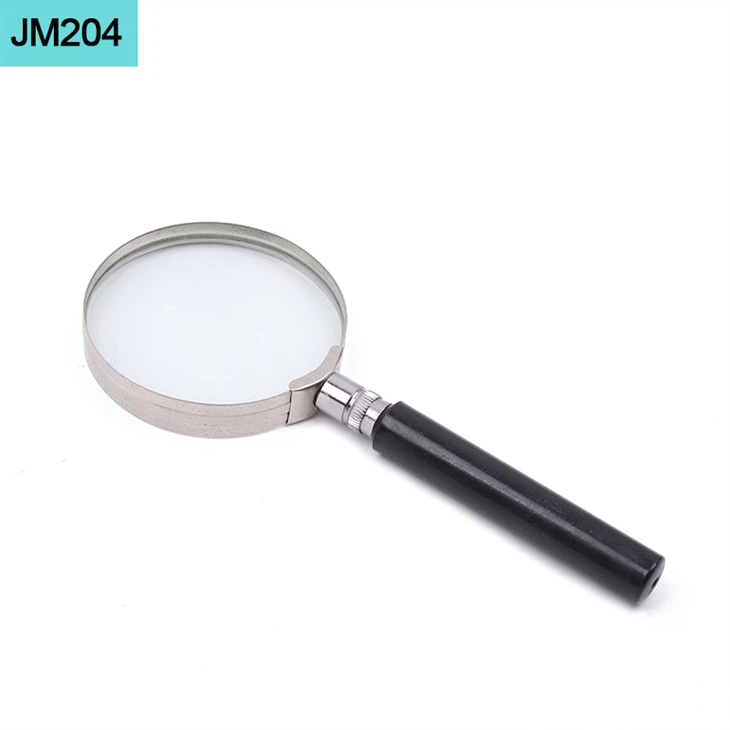

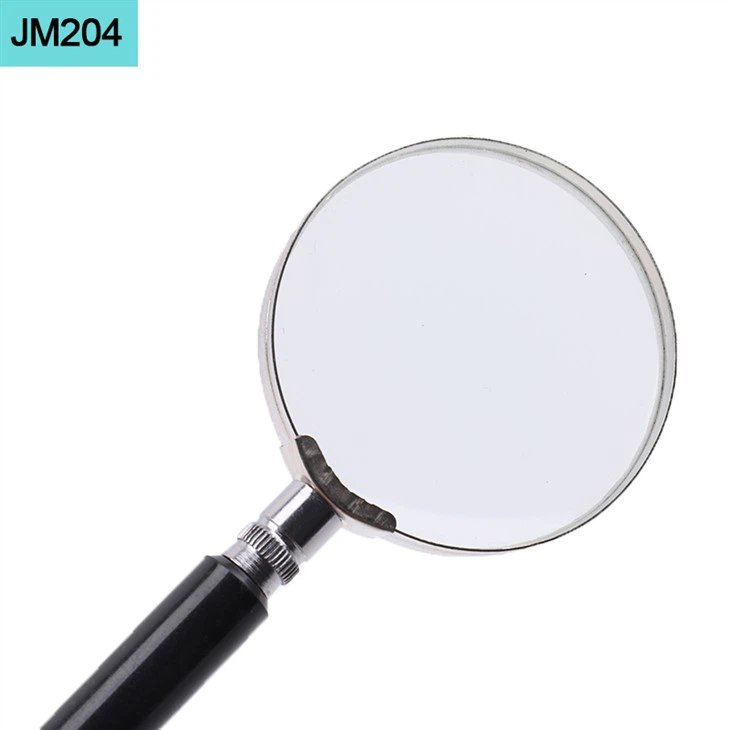

Magnification: The main purpose of a hand lens magnifier is to provide magnification. It has a convex lens that bends light, allowing the user to see an object or detail in a larger size. The magnification power typically ranges from 2x to 5x.
Close inspection: With the magnification provided by the hand lens magnifier, users can closely inspect and examine small objects or details that may be difficult to see with the naked eye. This is particularly useful for tasks such as reading fine print, examining the texture of materials, or inspecting small insects and plants.
Portable and convenient: One of the advantages of a hand lens magnifier is its portability and convenience. It is small, lightweight, and can be easily carried in a pocket or bag. This makes it a handy tool for fieldwork, outdoor activities, hobbies, or any situation where magnification may be required.
Education and science: Hand lens magnifiers are commonly used in educational settings, particularly in science classes. They allow students to observe and explore small objects or specimens with enhanced detail, promoting better understanding and engagement. They are particularly useful for activities related to biology, botany, geology, and entomology.
Hobbyists and collectors: Hand lens magnifiers are also valued by hobbyists and collectors who specialize in areas such as coin collecting, stamp collecting, gemology, or fossil hunting. These magnifiers enable them to closely examine and appreciate the details and intricacies of their objects of interest.
Jewelry and watchmaking: In the field of jewelry and watchmaking, a hand lens magnifier is an essential tool. It assists in identifying markings, checking for flaws, or inspecting small components that require precision and attention to detail.
Fieldwork and nature observation: Hand lens magnifiers are commonly used by professionals and enthusiasts in various fields of research and nature observation. Scientists, botanists, geologists, and entomologists use them to study plant samples, minerals, rocks, soil, or insects in their natural habitats.
Single Lens Hand Lens: This is the most basic and commonly used hand lens. It consists of a single convex lens that provides moderate magnification. These lenses are often used for general observation and studying small details of objects.
Illuminated Hand Lens: These lenses come with built-in lights or LED lights that provide additional illumination. This feature can be especially useful when examining objects in low-light conditions or when extra clarity is required.
Folding Hand Lens: As the name suggests, folding hand lenses can be folded into a compact size, making them convenient to carry in pockets or small bags. They are often used by nature enthusiasts, field researchers, and outdoor explorers to observe plants, insects, and other small creatures on the go.
Dual Lens Hand Lens: These hand lenses have two lenses, usually one on top of the other. The combination of lenses provides higher magnification, allowing for more detailed examination of tiny objects or intricate patterns.
Inspection Hand Lens: Inspection hand lenses are typically used in industries such as jewelry, gemology, or circuit board manufacturing. They have specialized lenses that offer high magnification and superior clarity for precise inspections and examinations.
UV Hand Lens: UV hand lenses are designed to detect and analyze objects that fluoresce under ultraviolet (UV) light. These lenses contain filters that block visible light while allowing UV light to pass through. They are commonly used by geologists, archeologists, and biologists for various research purposes.
Digital Hand Lens: With the advancements in technology, digital hand lenses have emerged as a modern alternative. These lenses have built-in cameras that capture images or videos of magnified objects. The images can then be viewed on a screen or transferred to a computer for further analysis and documentation.
Maintenance Tips for Handheld Magnifying Glass
Keep it clean
Regularly clean the lens of your handheld magnifying glass to ensure clear vision. Use a soft, lint-free cloth to wipe away any dust or smudges. Avoid using abrasive materials that may scratch the lens.
Store it properly
When not in use, store your handheld magnifying glass in a protective case or pouch. This will prevent any accidental damage or scratches. Avoid storing it in areas with high humidity or extreme temperatures.
Handle with care
While using or handling the magnifying glass, be gentle and avoid dropping it. The lens is delicate and can crack or shatter upon impact. Treat it as a fragile accessory.
Protect from direct sunlight
Excessive exposure to sunlight can potentially damage the lens of your handheld magnifying glass. When not in use, keep it in a shaded area or cover it with a cloth to prevent direct sunlight.
Avoid contact with chemicals
Avoid exposing your handheld magnifying glass to any harsh chemicals or cleaning agents. This can cause irreversible damage to the lens or its housing. Use mild soap and water for cleaning if necessary.
Check for loose screws
Over time, the screws holding the handle or lens in place may become loose. Periodically check for any loose screws and tighten them if needed. This will ensure that the magnifying glass remains sturdy and functional.
Keep away from children and pets
Keep your handheld magnifying glass out of reach of children and pets. It is not a toy and can pose a choking hazard or be accidentally mishandled, resulting in damage or injury.
Replace damaged parts
If any part of your handheld magnifying glass gets damaged or shows signs of wear and tear, consider replacing it. Damaged lenses may affect the quality of the magnification and impair your viewing experience.
Factors to consider when purchasing Handheld Magnifying Glass
Magnification Power: One of the most important factors to consider when purchasing a handheld magnifying glass is the magnification power. This refers to how much closer the object will appear compared to the naked eye. Different magnifying glasses come with different magnification powers such as 2x, 3x, 5x, etc. It is essential to choose a magnification power that suits your specific needs and the level of visual impairment.
Lens Quality: The quality of the lens is another crucial aspect to consider. Opt for a handheld magnifying glass with a high-quality lens that offers clear and distortion-free magnification. The lens should be scratch-resistant to ensure its longevity and durability.
Size and Weight: The size and weight of the magnifying glass play a significant role in its usability. Consider the portability factor and choose a handheld magnifying glass that is lightweight and compact. A smaller size ensures easy storage and makes it convenient to carry with you wherever you go.
Lens Type: Handheld magnifying glasses come with different types of lenses, such as acrylic, glass, or even LED-lit lenses. Acrylic lenses are lightweight and less likely to shatter, while glass lenses provide clearer and more accurate magnification. LED-lit lenses are beneficial for low-light conditions and can enhance visibility.
Ergonomics: Opt for a handheld magnifying glass with an ergonomic design that ensures comfort and ease of use. Look for features like a comfortable handle grip that allows for a steady and stable hold. A well-designed magnifying glass minimizes hand fatigue during usage.
Additional Features: Some handheld magnifying glasses come with additional features such as built-in LED lights, adjustable focal length, or detachable lanyards. These features can enhance the overall functionality and user experience. Consider your specific needs and preferences before selecting a magnifying glass with additional features.
Durability and Maintenance: Durability is an important consideration when purchasing a handheld magnifying glass. Choose a product that is made of sturdy materials, such as durable plastic or metal, to ensure its longevity. Additionally, consider the maintenance requirements, such as ease of cleaning and lens care, to keep the magnifying glass in optimal condition.
Price and Brand: Lastly, consider your budget and choose a handheld magnifying glass that provides value for money. Compare prices and research reputable brands known for producing reliable magnifying glasses. It is advisable to invest in a trusted brand to ensure product quality and after-sales support.
Our Factory
The Jinma brand offers advantageous and competitive pricing, prompt delivery schedules, and high-quality products that are guaranteed to be genuine. With a customer-centric approach and a commitment to providing top-notch services, Jinma has established itself as a leading player in the industry. Its positive attitude and focus on excellence make it a reliable partner for businesses and individuals alike. Choosing Jinma is a smart move for anyone looking for quality products, reliable delivery, and exceptional customer service. With these values at the forefront of its operations, Jinma continues to inspire trust and confidence among its customers and stakeholders. In summary, Jinma's prices, delivery schedules, product quality, and customer service are second to none, making it a leader in the industry.

FAQ
Q: What is a handheld magnifier used for?
Q: How do you use a hand held magnifier?
Q: What does a hand lens magnifier do?
Q: What is the difference between handheld and stand magnifier?
Q: How does a simple magnifying glass work?
Q: How do I choose magnifying glasses?
Q: What makes a magnifying glass more powerful?
Q: Does the size of a magnifying glass matter?
Q: What is standard magnifying glass?
Q: What does diopter mean in magnifying glass?
Q: Is a big or small magnifying glass better?
Q: Which lens is preferred for magnifying glass?
Q: How many types of magnifying glasses are there?
Q: What are the advantages of hand held magnifiers?
Q: What is the difference between a hand lens and a magnifying glass?
Q: What is the maximum magnification with hand lens?
Q: What does a hand lens look like?
Q: How many types of glass lenses are there?
Q: What is a hand loupe?
Q: What does a loupe look like?
We're well-known as one of the leading handheld magnifying glass manufacturers and suppliers in China. If you're going to wholesale cheap handheld magnifying glass, welcome to get more information from our factory. Good service and quality products are available.
Handheld Led Magnifying Glass, Magnetic Soldering Helping Hands, Table Magnifying Lamp