

What is the lens coating of a magnifying lamp?
Jun 23, 2025
Leave a message
Hey there! As a supplier of magnifying lamps, I've been getting a lot of questions lately about lens coatings. So, I thought I'd take a few minutes to explain what lens coating of a magnifying lamp is and why it matters.
First off, let's talk about what a lens coating actually is. Simply put, it's a thin layer of material that's applied to the surface of the lens. This coating can serve a few different purposes, depending on the type of coating and the specific needs of the user.
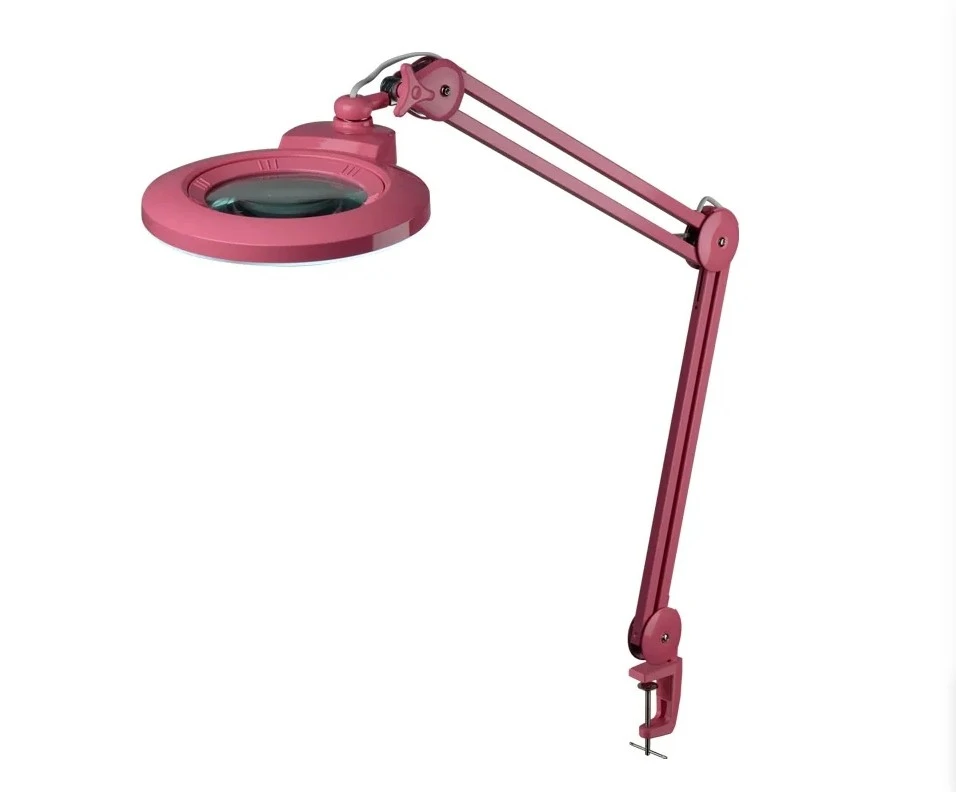
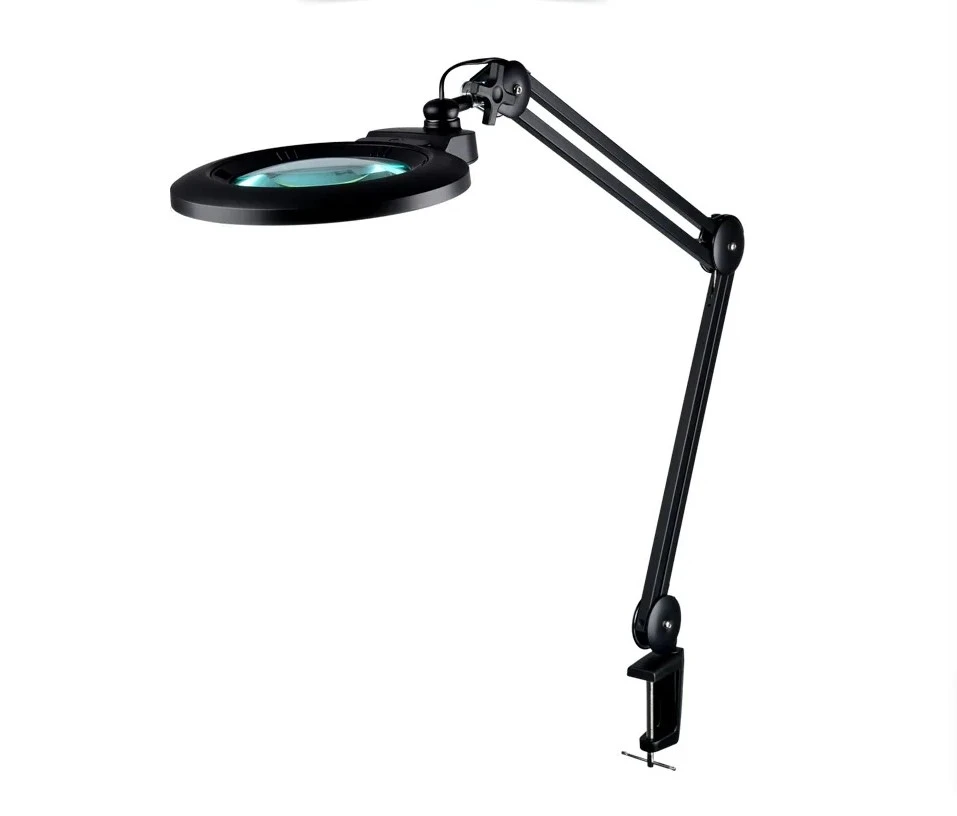
One of the most common types of lens coatings is an anti - reflective (AR) coating. Now, you might be wondering, why do magnifying lamp lenses need an anti - reflective coating? Well, when light hits a lens, some of it gets reflected off the surface. This reflection can cause glare, which is not only annoying but can also make it difficult to see clearly through the magnifying lens. An AR coating reduces the amount of light that's reflected, allowing more light to pass through the lens and reach your eyes. This results in a clearer, brighter image with less glare. For example, if you're using a Led Magnifier Desk Lamp for detailed work like jewelry making or electronics repair, an AR - coated lens can make a huge difference. You'll be able to see all the tiny details more clearly without having to deal with the distracting glare.
Another type of lens coating is a scratch - resistant coating. Magnifying lamp lenses can get scratched easily, especially if they're used frequently or in a somewhat rough environment. A scratch - resistant coating adds an extra layer of protection to the lens. It makes the lens more durable and less likely to get scratched by dust, dirt, or accidental bumps. This is super important because even a small scratch on the lens can distort the image and reduce the effectiveness of the magnifying lamp. If you've got a Led Magnifying Bench Lamp in a workshop where there's a lot of debris flying around, a scratch - resistant coating can help keep the lens in good condition for a long time.
There are also anti - fog coatings. These are useful in situations where the temperature or humidity changes quickly. For instance, if you're using a magnifying lamp in a room where the air conditioning is on and then you bring in some warm, moist air, the lens can fog up. An anti - fog coating prevents this from happening by spreading the moisture evenly across the lens so that it doesn't form droplets that cause fogging. This ensures that you always have a clear view through the magnifying lens, no matter the environmental conditions.
Now, let's talk about how these coatings are applied. Usually, the lens manufacturer uses a special process to apply the coating. It's not something that can be done at home easily. The coating has to be applied evenly and precisely to ensure that it works effectively. Most high - quality magnifying lamps come with pre - coated lenses. When you're shopping for a magnifying lamp, it's a good idea to ask about the type of lens coating it has and what benefits it offers.
The quality of the lens coating can vary a lot. Some coatings are better than others in terms of durability, effectiveness, and how well they stand up over time. Higher - end magnifying lamps often have more advanced and better - quality coatings. For example, a top - of - the - line AR coating might be able to reduce reflection by up to 99%, while a cheaper one might only reduce it by 90%. The difference might seem small, but when you're using the magnifying lamp for long periods or doing very detailed work, that extra bit of clarity can make a big difference.
When it comes to choosing a magnifying lamp based on the lens coating, you need to think about your specific needs. If you're using the lamp mainly in a clean, controlled environment and don't have to worry too much about scratches or fogging, an AR coating might be the most important thing for you. On the other hand, if you're in a workshop or an area where the lens is likely to get scratched or fog up, a scratch - resistant and anti - fog coating should be your priority.
As a supplier, I've seen firsthand how the right lens coating can enhance the performance of a magnifying lamp. We offer a wide range of magnifying lamps with different types of lens coatings to meet the diverse needs of our customers. Whether you're a hobbyist doing some DIY projects at home or a professional in a specialized field, we've got a magnifying lamp that's right for you.
If you're interested in learning more about our magnifying lamps or have any questions about lens coatings, feel free to reach out. We're always happy to help you find the perfect magnifying lamp for your needs. And if you're thinking about making a purchase, we can have a great discussion about the best options for you and even work out a good deal. So, don't hesitate to contact us for a procurement discussion.
In conclusion, lens coatings are an important part of a magnifying lamp. They can significantly improve the usability, durability, and overall performance of the lamp. Whether it's an anti - reflective, scratch - resistant, or anti - fog coating, each one has its own unique benefits that can make your magnifying experience much better. So, the next time you're in the market for a magnifying lamp, don't forget to consider the lens coating.
References
- Optics textbooks on lens coatings
- Industry research on magnifying lamp technology
- Product specifications from magnifying lamp manufacturers