

What is the best way to clean a third hand tool?
Jun 30, 2025
Leave a message
Hey there! As a supplier of third hand tools, I've seen my fair share of these handy gadgets get dirty over time. A clean third hand tool not only looks good but also performs better and lasts longer. So, let's dive into the best way to clean a third hand tool.
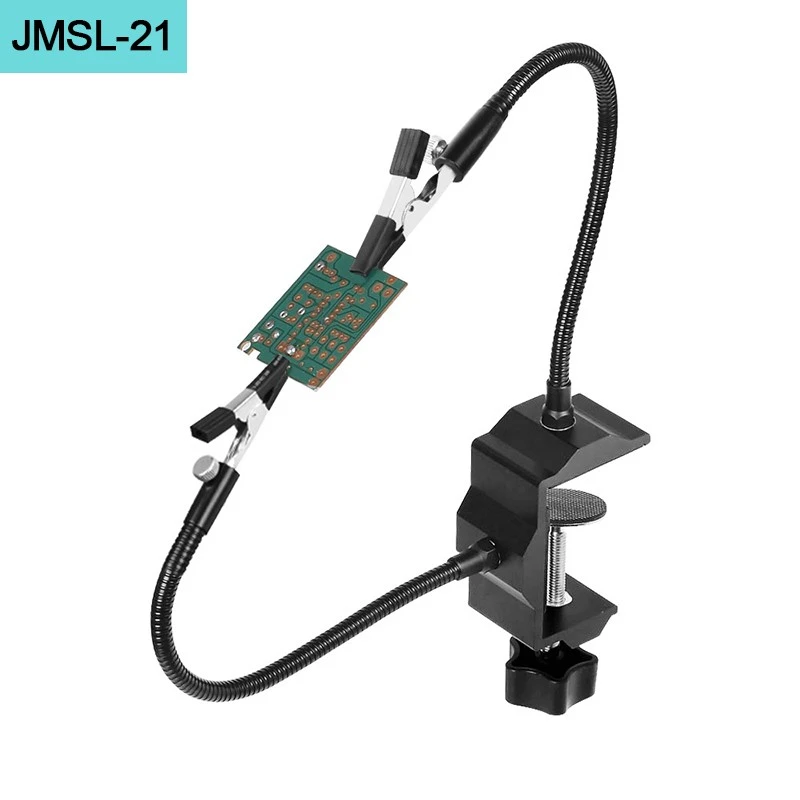
First off, let's understand what a third hand tool is. If you're into soldering, you've probably heard of or used a Third Hand Soldering Tool. It's a great helper that holds your workpieces steady while you solder, freeing up your hands for other tasks. There are also Helping Hands Soldering Holder and Helping Hands Soldering Aid, which are variations of the same concept.
Before you start cleaning, gather your supplies. You'll need a soft brush, like an old toothbrush, some isopropyl alcohol, a clean cloth, and a small container. Isopropyl alcohol is great for cleaning because it evaporates quickly and doesn't leave behind any residue.
The first step is to unplug the tool if it's an electric one. Safety first, right? Then, use the soft brush to gently remove any loose debris, like dust or small pieces of solder. You can brush along the jaws, the arms, and any other parts where dirt might accumulate. This dry brushing helps get rid of the big stuff before you start using the alcohol.
Next, pour some isopropyl alcohol into the small container. Dip the brush into the alcohol and start scrubbing the tool. Pay special attention to areas that have a lot of solder splatters or flux residue. Flux is that sticky stuff used in soldering, and it can build up over time. The alcohol will break down the flux and make it easier to remove.
When scrubbing the jaws, be careful not to damage them. The jaws need to be precise to hold your workpieces properly. You can use the brush to get into the small crevices and corners. If there are stubborn spots, you can let the alcohol sit on them for a few minutes to loosen the dirt.
After you've scrubbed the entire tool, use the clean cloth to wipe away the alcohol and the dirt. Make sure to dry the tool thoroughly. You don't want any moisture left on it, as it could cause rust or other damage. If there are still some spots that won't come off, you can repeat the process or use a bit more pressure with the brush.
Now, let's talk about the springs and moving parts. These are important for the tool's functionality. You can use a small amount of lubricant on the springs and joints. Just a tiny drop will do. This will help keep the parts moving smoothly and prevent them from getting stuck. But be careful not to use too much lubricant, as it can attract more dirt.
Once the tool is clean and dry, give it a test run. Open and close the jaws, move the arms around, and make sure everything is working as it should. If you notice any issues, like a loose part or a jaw that doesn't close properly, you might need to do some adjustments or repairs.
Regular cleaning is important to keep your third hand tool in top shape. How often you clean it depends on how often you use it. If you're using it every day, you might want to clean it once a week. If it's used less frequently, once a month should be enough.
Cleaning a third hand tool isn't rocket science, but it does require a bit of care and attention. By following these steps, you can ensure that your tool lasts a long time and continues to perform well.
If you're in the market for a new third hand tool or need to replace some parts, we're here to help. As a supplier, we offer a wide range of high - quality third hand tools at competitive prices. Whether you're a professional solderer or a hobbyist, we have the right tool for you. Contact us for more information and let's start a procurement discussion. We're eager to work with you and help you find the perfect tool for your needs.

References:
- General knowledge about soldering tools and cleaning techniques.
- Experience from being a third hand tool supplier.