

How to optimize the use of a 3rd Hand Soldering Tool?
May 20, 2025
Leave a message
In the intricate world of electronics assembly and repair, a 3rd hand soldering tool stands as an invaluable asset. As a seasoned supplier of these essential tools, I've witnessed firsthand the transformative impact they can have on the soldering process. In this blog post, I'll share some in - depth insights on how to optimize the use of a 3rd hand soldering tool, ensuring you get the most out of this indispensable piece of equipment.

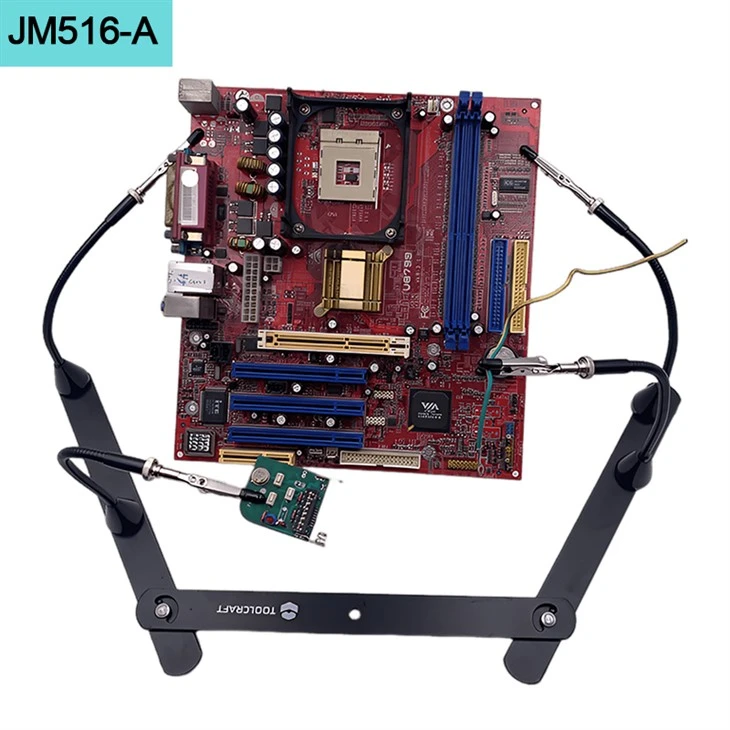
Understanding the Basics of a 3rd Hand Soldering Tool
Before delving into optimization techniques, it's crucial to understand what a 3rd hand soldering tool is. A 3rd hand soldering tool, also known as a Soldering Helping Hands Tool, Third Hand Soldering Stand, or Helping Hands Soldering Tool, is designed to hold components in place during the soldering process. It typically consists of adjustable arms with clips or alligators at the end, a base for stability, and sometimes additional features like magnifying glasses.
Selecting the Right Tool for the Job
The first step in optimizing the use of a 3rd hand soldering tool is to choose the right one for your specific needs. Consider the following factors:
- Component Size: If you're working with tiny surface - mount components, you'll need a tool with fine - tipped clips that can securely hold these small parts without damaging them. On the other hand, if you're dealing with larger through - hole components, a tool with larger, more robust clips will be more suitable.
- Workspace: The size of your soldering workspace matters. If you have a limited workbench area, a compact 3rd hand soldering tool with a small base will be a better choice. However, if you have ample space, you can opt for a larger tool with more extended arms and greater flexibility.
- Additional Features: Some 3rd hand soldering tools come with built - in magnifying glasses, LED lights, or even adjustable angles for better visibility. Evaluate whether these features are necessary for your soldering tasks. For example, if you often work in low - light conditions or need to examine small details, a tool with an LED light and a magnifying glass can significantly enhance your soldering experience.
Setting Up Your 3rd Hand Soldering Tool
Once you've selected the right tool, proper setup is essential for optimal use.
- Stability: Place the tool on a flat, stable surface. Make sure the base is firmly secured, especially if you're using the tool on a bench that might be subject to vibrations. A wobbly tool can cause components to move during soldering, leading to poor connections.
- Positioning the Arms: Adjust the arms of the tool to the desired position. For most soldering tasks, you'll want the arms to hold the components at a comfortable height and angle for you to access them easily with your soldering iron. Experiment with different arm positions to find the most ergonomic setup for your body.
- Clip Adjustment: Ensure that the clips are tightened enough to hold the components securely but not so tight that they damage the parts. If you're using alligator clips, make sure they have a good grip on the leads of the components.
Holding Components Securely
One of the primary functions of a 3rd hand soldering tool is to hold components in place. Here are some tips to ensure a secure hold:
- Choose the Right Clip: Different types of clips are available, such as spring - loaded clips, alligator clips, and magnetized clips. Select the clip that is most appropriate for the component you're working with. For example, spring - loaded clips are great for holding small, flat components, while alligator clips are better for larger, irregularly shaped parts.
- Position the Component Correctly: Place the component in the clip so that the leads are accessible for soldering. Make sure the component is centered and not tilted, as this can affect the quality of the solder joint.
- Use Multiple Clips if Necessary: For larger or more complex components, you may need to use multiple clips to hold the component securely from different angles. This can prevent the component from shifting during soldering.
Enhancing Visibility
Good visibility is crucial for successful soldering. A 3rd hand soldering tool can help improve visibility in the following ways:
- Magnifying Glass: If your tool is equipped with a magnifying glass, position it so that it provides a clear view of the soldering area. Adjust the focus of the magnifying glass to get a sharp image of the components and the solder joint.
- Lighting: Adequate lighting is essential. If your tool has a built - in LED light, turn it on and adjust the angle of the light to illuminate the soldering area. If not, consider using a separate desk lamp to provide sufficient light.
- Angle of View: Adjust the position of the tool and your body to get the best angle of view. Sometimes, a slight change in the angle can make a big difference in your ability to see the soldering area clearly.
Maintaining Your 3rd Hand Soldering Tool
Proper maintenance ensures that your 3rd hand soldering tool remains in good working condition and continues to provide optimal performance.
- Cleaning: Regularly clean the clips and arms of the tool to remove any solder residue, flux, or dirt. You can use a soft brush and a mild cleaning solution to clean the parts. Make sure to dry the tool thoroughly after cleaning to prevent rusting.
- Lubrication: If the joints of the arms are stiff or difficult to move, apply a small amount of lubricant to the joints. This will ensure smooth movement and make it easier to adjust the position of the arms.
- Inspection: Periodically inspect the tool for any signs of damage, such as loose clips, broken arms, or a damaged base. If you notice any issues, repair or replace the damaged parts as soon as possible.
Troubleshooting Common Issues
Even with proper setup and maintenance, you may encounter some issues when using a 3rd hand soldering tool. Here are some common problems and their solutions:
- Component Slipping: If the component keeps slipping out of the clips, check if the clips are tightened enough. You may also need to clean the clips to improve their grip. If the component has a smooth surface, consider using a different type of clip or adding a small piece of sandpaper to the clip to increase friction.
- Limited Arm Movement: If the arms of the tool are not moving smoothly or have limited range of motion, check if there is any debris or dirt in the joints. Clean the joints and apply lubricant if necessary. If the problem persists, there may be a mechanical issue with the tool, and you may need to contact the manufacturer for repair.
- Poor Visibility: If you're having trouble seeing the soldering area, make sure the magnifying glass is clean and properly focused. Check the lighting and adjust the angle of the light or the position of the tool to improve visibility.
Advanced Techniques for Optimization
For more experienced soldering enthusiasts, here are some advanced techniques to further optimize the use of a 3rd hand soldering tool:
- Customizing the Tool: You can customize your 3rd hand soldering tool by adding additional features or modifying the existing ones. For example, you can attach a custom - made magnifying lens or a different type of clip to suit your specific needs.
- Using the Tool in Combination with Other Equipment: Combine your 3rd hand soldering tool with other soldering equipment, such as a soldering station with adjustable temperature control and a desoldering pump. This can enhance your soldering capabilities and make the process more efficient.
- Practice and Experimentation: The more you use the 3rd hand soldering tool, the better you'll become at optimizing its use. Experiment with different techniques, arm positions, and clip types to find what works best for you.
Conclusion
Optimizing the use of a 3rd hand soldering tool can significantly improve your soldering experience and the quality of your solder joints. By selecting the right tool, setting it up properly, holding components securely, enhancing visibility, maintaining the tool, troubleshooting common issues, and using advanced techniques, you can make the most of this essential piece of equipment.
As a supplier of high - quality 3rd hand soldering tools, we are committed to providing you with the best products and support. If you're interested in purchasing our 3rd hand soldering tools or have any questions about optimizing their use, please feel free to contact us for procurement and further discussions.
References
- "Soldering for Beginners: A Comprehensive Guide" by Electronics World Publishing
- "Advanced Soldering Techniques and Tools" by Tech Innovations Press