

How do you attach alligator clips to wires?
Jul 02, 2025
Leave a message
Alligator clips are versatile tools commonly used in electrical work, electronics projects, and various experimental setups. They provide a quick and convenient way to make temporary electrical connections. As a leading supplier of high - quality alligator clips, I'm often asked about the proper way to attach these clips to wires. In this blog post, I'll guide you through the process step - by - step, share some useful tips, and also highlight the benefits of our products.
Why Alligator Clips are Essential
Before we dive into the attachment process, let's briefly discuss why alligator clips are so widely used. These clips feature a spring - loaded design with serrated jaws that can grip onto a wire firmly. They are ideal for creating temporary connections, which is useful in testing circuits, powering prototypes, or making quick electrical repairs. Unlike soldering, which is a permanent connection method, alligator clips allow you to change connections easily without damaging the wires.
Tools and Materials Needed
To attach alligator clips to wires, you'll need the following:
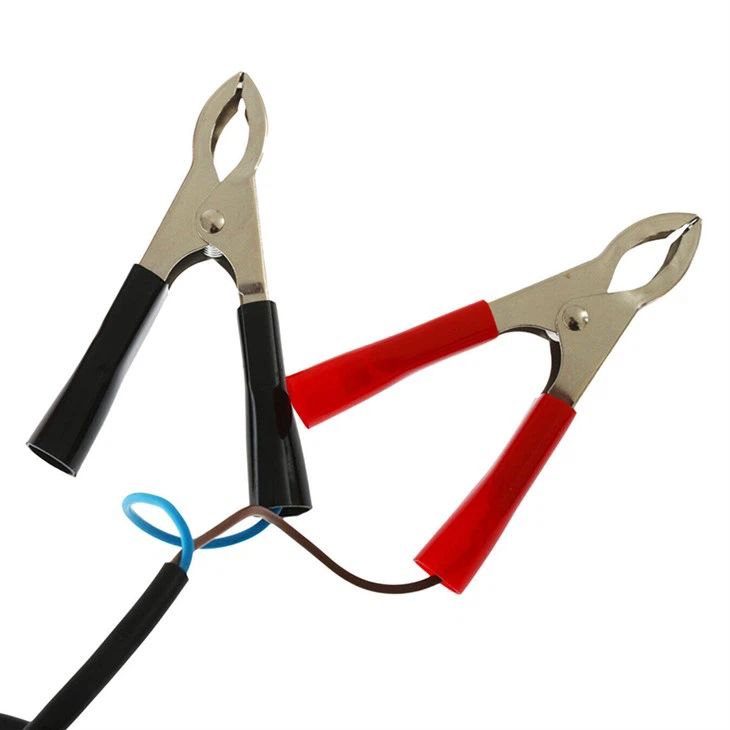

- Alligator Clips: Of course, you'll need a good set of alligator clips. Our company offers a wide range of alligator clips, including different sizes, colors, and materials to suit your specific needs. Alligator Clip Jumper Wire is one of our popular products, which combines the alligator clip with a pre - attached wire for added convenience.
- Wires: Choose wires that are appropriate for your project in terms of gauge (thickness) and insulation. The wire should be able to carry the required electrical current without overheating.
- Wire Strippers: These are used to remove the insulation from the ends of the wires, exposing the conductive metal inside.
- Optional: Pliers: Pliers can be helpful for making the connection more secure, especially if the alligator clip's jaws are a bit tight.
Step - by - Step Guide to Attaching Alligator Clips to Wires
Step 1: Prepare the Wires
The first step is to prepare the wires for connection. Use the wire strippers to remove about 1/4 to 1/2 inch of insulation from the end of each wire. Be careful not to nick or cut the conductive metal inside the wire, as this can weaken the connection and potentially cause electrical problems. If you're working with multiple wires, make sure to strip them all to the same length for a consistent look and connection.
Step 2: Open the Alligator Clip
Hold the alligator clip by the handle and squeeze the spring - loaded part to open the jaws. The jaws should open wide enough to accommodate the stripped end of the wire. Some alligator clips may have a small hole or notch in the jaws that helps to hold the wire in place.
Step 3: Insert the Wire
Once the jaws are open, insert the stripped end of the wire into the alligator clip's jaws. Make sure the wire is inserted fully and that it is in contact with the metal surfaces inside the jaws. If the wire is too thick to fit easily, you may need to use pliers to gently widen the jaws a bit.
Step 4: Secure the Connection
Release the spring - loaded part of the alligator clip to close the jaws around the wire. The serrated teeth inside the jaws should grip the wire firmly. You can use pliers to give the clip an extra squeeze if you want to ensure a more secure connection. However, be careful not to squeeze too hard, as this could damage the wire or the clip.
Step 5: Test the Connection
After attaching the alligator clip to the wire, it's a good idea to test the connection. If you're working on an electrical circuit, you can use a multimeter to check for continuity. Simply touch the probes of the multimeter to the other end of the wire and the alligator clip's handle. If the multimeter shows a reading close to zero ohms, it means the connection is good.
Tips for a Successful Attachment
- Choose the Right Clip Size: Make sure the alligator clip is the right size for the wire you're using. Using a clip that is too small may not grip the wire properly, while a clip that is too large may not provide a secure connection.
- Keep the Wires Clean: Before inserting the wire into the alligator clip, make sure the stripped end of the wire is clean and free of dirt, grease, or oxidation. This will help to ensure a good electrical connection.
- Avoid Overloading the Clip: Each alligator clip has a maximum current rating. Make sure the electrical current flowing through the clip does not exceed this rating. Overloading the clip can cause it to overheat and potentially damage the clip or the wire.
Benefits of Our Alligator Clips
As a supplier of alligator clips, we take pride in offering high - quality products. Our alligator clips are made from durable materials that can withstand repeated use. They have a smooth spring action that makes it easy to open and close the jaws, and the serrated teeth provide a strong grip on the wires. In addition, our Alligator Clip Jumper Wire comes with a pre - attached wire, which saves you time and effort in the wiring process.
Contact Us for Your Alligator Clip Needs
Whether you're a professional electrician, an electronics hobbyist, or someone working on a DIY project, we have the alligator clips you need. Our products are competitively priced and come with excellent customer service. If you're interested in purchasing alligator clips or have any questions about our products, please feel free to contact us. We're here to help you find the right solution for your electrical connection needs.
References
- Electrical Engineering Handbook, Third Edition.
- Electronics for Dummies, Fourth Edition.