

How do I troubleshoot a hose clamp clip that is not working properly?
Sep 09, 2025
Leave a message
Hey there! As a supplier of Hose Clamp Clips, I've seen my fair share of issues with these little but crucial components. A malfunctioning hose clamp clip can be a real pain in the neck, whether you're using it in industrial settings, automotive applications, or even in your home plumbing. Today, I'm gonna walk you through how to troubleshoot a hose clamp clip that's not working properly.
First Things First: Identify the Problem
The very first step in troubleshooting any issue is to figure out exactly what's going wrong. There are a few common problems you might encounter with hose clamp clips.
Looseness
One of the most common issues is that the clamp clip is too loose. You might notice that the hose isn't being held tightly in place, which can lead to leaks. This could be due to improper installation. Maybe the clamp wasn't tightened enough in the first place, or it has gradually loosened over time due to vibrations or temperature changes.
Rust and Corrosion
If you're using metal hose clamp clips, especially in a moist or corrosive environment, rust and corrosion can be a major problem. Rust can weaken the clip, making it less effective at holding the hose in place. It can also cause the clip to seize up, making it difficult or impossible to adjust.
Damage
Physical damage to the clip is another issue. It could be bent, cracked, or have other visible signs of wear and tear. This could happen due to over - tightening, improper handling, or just general wear and tear over time.
Troubleshooting Steps
Check the Tightness
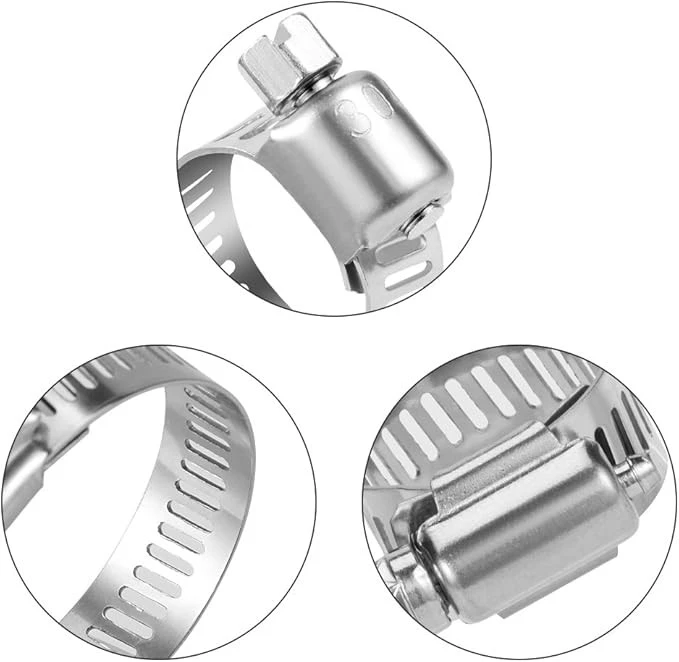
If you suspect that the clamp is too loose, the first thing you should do is try to tighten it. Most hose clamp clips come with a screw or bolt that you can use to adjust the tightness. Use the appropriate tool, like a screwdriver or a wrench, and slowly tighten the clamp. Make sure not to over - tighten it, as this can damage the hose or the clip itself.
If the clamp won't tighten properly, it could be because the screw or bolt is stripped. In this case, you might need to replace the clip. You can find a wide range of Hose Clamp Clip options on our website that are sure to fit your needs.
Deal with Rust and Corrosion
If you notice rust on the clip, there are a few things you can do. For minor rust, you can try using a wire brush to remove the rust. After that, you can apply a rust inhibitor to prevent further corrosion.
However, if the rust is severe and has weakened the clip, it's best to replace it. We offer high - quality American Hose Clamp options made from stainless steel, which are highly resistant to rust and corrosion.
Inspect for Damage
Carefully examine the clip for any signs of physical damage. If you see a bend or a crack, the clip is likely compromised and should be replaced. Sometimes, a simple bend can be straightened out, but this isn't always a reliable fix. It's better to play it safe and get a new clip.
Special Considerations for Different Types of Clamps
T - Bolt Hose Clamps
T - Bolt Hose Clamps are commonly used in high - pressure applications. They offer a more secure hold compared to other types of clamps. When troubleshooting T - bolt clamps, make sure to check the bolt and the nut for proper tightness. The threads on the bolt should be clean and free of debris.
If the T - bolt clamp is leaking, it could be because the sealing surface of the hose or the fitting is damaged. In this case, you might need to replace the hose or the fitting along with the clamp.
Preventive Maintenance
The best way to avoid problems with hose clamp clips is through preventive maintenance. Here are some tips:
- Regular Inspections: Make it a habit to check your hose clamp clips regularly. Look for signs of looseness, rust, or damage. Catching problems early can save you a lot of time and money in the long run.
- Proper Installation: When installing a new hose clamp clip, make sure to follow the manufacturer's instructions. Use the right tools and tighten the clamp to the recommended torque.
- Choose the Right Material: Depending on your application, choose a hose clamp clip made from a material that's suitable for the environment. For example, if you're in a corrosive environment, go for stainless steel or plastic clips.
Conclusion
Troubleshooting a hose clamp clip that's not working properly might seem like a daunting task, but by following these steps, you can quickly identify and fix the problem. Remember, as a supplier of high - quality hose clamp clips, we're here to help you find the right solution for your needs.
If you're facing any issues with your hose clamp clips or are looking to purchase new ones, don't hesitate to get in touch with us. We're more than happy to assist you with your procurement and answer any questions you might have. Let's work together to ensure your hoses are securely clamped and functioning properly.

References
- General knowledge and experience in the hose clamp clip industry.
- Manufacturer's guidelines for hose clamp clip installation and maintenance.