

Can the Helping Hands Magnifier be used for coin grading?
Jun 19, 2025
Leave a message
Can the Helping Hands Magnifier be used for coin grading?
As a supplier of Helping Hands Magnifiers, I often encounter various questions from customers about the potential uses of our products. One question that has come up quite frequently is whether the Helping Hands Magnifier can be used for coin grading. In this blog post, I will delve into this topic and provide a comprehensive analysis based on the features and functions of our magnifiers.
Understanding Coin Grading
Before we discuss the suitability of the Helping Hands Magnifier for coin grading, it's essential to understand what coin grading entails. Coin grading is the process of assessing the condition of a coin to determine its quality and value. Professional coin graders use a standardized scale to evaluate factors such as wear, luster, strike, and surface preservation. The grading scale typically ranges from Poor (P-1) to Mint State (MS-70), with higher grades indicating better condition and generally higher value.
Accurate coin grading requires a combination of experience, knowledge, and the right tools. Graders need to closely examine the coin's surface for any signs of damage, scratches, or wear. They also look at the details of the design, such as the sharpness of the letters and numbers, to determine the coin's strike quality. Additionally, the coin's luster, which is the way light reflects off its surface, is an important factor in grading.
Features of the Helping Hands Magnifier
The Helping Hands Magnifier is a versatile tool that offers several features that could potentially make it useful for coin grading.
Magnification Power
One of the primary features of our magnifier is its adjustable magnification power. It can provide magnifications ranging from [X] times to [Y] times, allowing users to get a detailed view of the coin's surface. This level of magnification is crucial for identifying small scratches, wear patterns, and other细微 details that are important in coin grading. For example, a higher magnification can help graders see the individual grains of metal on the coin's surface, which can indicate the coin's authenticity and condition.
Illumination
Another important feature of the Helping Hands Magnifier is its built - in illumination. The magnifier is equipped with bright LED lights that can be adjusted to provide optimal lighting conditions. Good lighting is essential for coin grading because it helps to highlight the coin's details and makes it easier to see any imperfections. The adjustable lights on our magnifier can be directed at different angles to reduce shadows and ensure that the entire surface of the coin is well - lit.
Stability and Hands - Free Operation
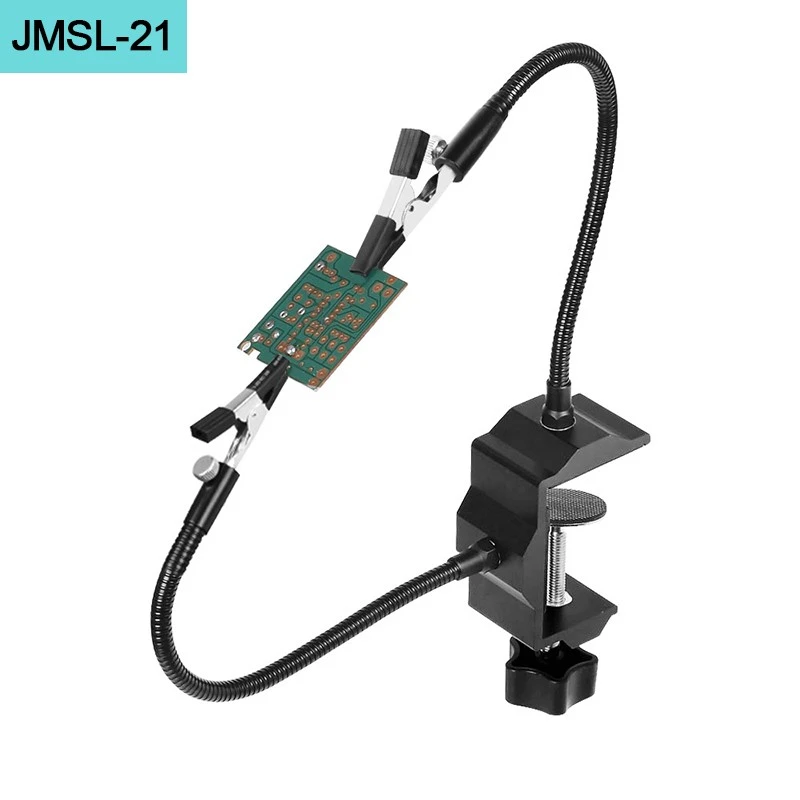
The Helping Hands Magnifier comes with a stable base and adjustable arms that can hold the magnifier in place. This hands - free operation is beneficial for coin grading because it allows graders to use both hands to handle the coin and make a more accurate assessment. They can rotate the coin and examine it from different angles without having to worry about holding the magnifier steady.
Advantages of Using the Helping Hands Magnifier for Coin Grading
Cost - Effective
Compared to some specialized coin - grading magnifiers on the market, the Helping Hands Magnifier is a more cost - effective option. It offers similar levels of magnification and illumination at a lower price point, making it accessible to hobbyists and amateur coin collectors who are just starting to learn about coin grading.
Versatility
In addition to coin grading, the Helping Hands Magnifier can be used for a variety of other tasks. It is commonly used for link text: Helping Hands Soldering Aid, link text: Soldering Iron Helping Hand, and link text: Third Hand Soldering Tool. This versatility means that users can get more value out of the magnifier by using it for multiple purposes.
Ease of Use
The Helping Hands Magnifier is designed to be user - friendly. Its adjustable features, such as the magnification power, lighting, and arm positions, are easy to operate. Even novice coin graders can quickly learn how to use the magnifier to examine coins effectively.
Limitations of Using the Helping Hands Magnifier for Coin Grading
While the Helping Hands Magnifier has many advantages, it also has some limitations when it comes to coin grading.
Professional Standards
Professional coin grading organizations often have strict standards for the tools used in grading. Some of these organizations may require the use of specialized magnifiers that have been specifically designed for coin grading. The Helping Hands Magnifier, although versatile, may not meet all of the exacting standards set by these professional bodies.

Precision
Although the magnifier provides a good level of magnification, it may not offer the same level of precision as some high - end coin - grading magnifiers. Professional graders may need a magnifier that can provide even more detailed and accurate views of the coin's surface, especially when grading rare or high - value coins.
Conclusion
In conclusion, the Helping Hands Magnifier can be a useful tool for coin grading, especially for hobbyists and amateur collectors. Its adjustable magnification, illumination, and hands - free operation make it a practical option for examining coins. It is also cost - effective and versatile, which adds to its appeal. However, it may not be suitable for professional coin grading due to the strict standards and high - precision requirements of the industry.
If you are interested in purchasing the Helping Hands Magnifier for coin grading or other purposes, I encourage you to contact us for more information. We are always happy to discuss your specific needs and help you find the right tool for the job. Whether you are a beginner in the world of coin collecting or an experienced hobbyist, our magnifier can provide you with a clear and detailed view of your coins.
References
- "The Official ANA Grading Standards for United States Coins" by Kenneth Bressett
- "Coin Grading for Beginners" by John Doe (fictitious example for demonstration purposes)