

Are LED magnifying lamps energy - efficient?
Jun 27, 2025
Leave a message
Hey there! As a supplier of LED magnifying lamps, I often get asked whether these lamps are energy - efficient. Well, let's dive right into it and find out.
First off, let's understand what energy efficiency really means. Energy efficiency is all about getting the most light output for the least amount of electrical energy input. In simpler terms, it's like getting the biggest bang for your buck when it comes to lighting up a space.
LED, which stands for Light - Emitting Diode, technology has come a long way over the years. When compared to traditional incandescent bulbs, LED lights are absolute rock - stars in the energy - efficiency department. Incandescent bulbs work by heating a filament until it glows, and a huge chunk of the energy they consume is wasted as heat. In fact, only about 10% of the energy an incandescent bulb uses actually gets converted into light, while the rest just warms up the surrounding air.
On the other hand, LED magnifying lamps are far more efficient. LEDs produce light through a process called electroluminescence. This means that they directly convert electrical energy into light, with very little energy being lost as heat. Most LED magnifying lamps can convert around 80 - 90% of the electrical energy they consume into visible light. This is a massive difference when you think about it.
Let's talk about some real - world implications of this energy efficiency. If you're using an LED magnifying lamp in your workspace, say for tasks like jewelry making, reading small print, or model building, you'll notice a significant reduction in your electricity bill over time. For example, if you have an old - fashioned incandescent magnifying lamp that consumes 60 watts of power and you replace it with an LED magnifying lamp that only uses 10 watts but provides the same amount of light, you're saving a whole lot of energy.
Over a year, assuming you use the lamp for 4 hours a day, the incandescent lamp would consume about 87.6 kilowatt - hours (kWh) of electricity. At an average electricity rate of $0.12 per kWh, that's going to cost you around $10.51. The LED magnifying lamp, on the other hand, would only consume about 14.6 kWh, costing you a mere $1.75. That's a savings of almost $9 per year! And if you have multiple lamps or use them for longer periods, the savings can really add up.
Another aspect to consider is the lifespan of LED magnifying lamps. LEDs have an incredibly long lifespan compared to traditional bulbs. An incandescent bulb might last for around 1,000 hours, while an LED magnifying lamp can last for 25,000 to 50,000 hours or even more. This means you won't have to replace the bulbs as often, which not only saves you money on replacement bulbs but also reduces the waste associated with constantly disposing of burnt - out bulbs.
Now, let's take a look at some of the products we offer. We have a great selection of Led Table Magnifier Lamp. These lamps are perfect for your desk. They have adjustable arms, so you can position the magnifying lens exactly where you need it. And of course, they're super energy - efficient, so you can use them for hours on end without worrying about sky - high electricity bills.
Our Magnifying Lamp With Led Light is another excellent option. It comes with a powerful LED light that provides bright, even illumination. Whether you're working on a detailed project or just need some extra light for reading, this lamp has got you covered. And because it's an LED lamp, it uses a fraction of the energy compared to traditional lamps.
If you're looking for something to brighten up your workspace, our Led Magnifying Desk Light is a top - notch choice. It combines the functionality of a magnifying lens with the energy - saving benefits of LED technology. You can use it for tasks that require precision, like soldering or embroidery, and still keep your energy consumption in check.
In addition to the energy savings and long lifespan, LED magnifying lamps also offer better quality of light. They usually have a high Color Rendering Index (CRI), which means they can accurately reproduce colors. This is crucial for tasks where color accuracy matters, such as painting or photography. You'll be able to see the true colors of your materials and work with more precision.
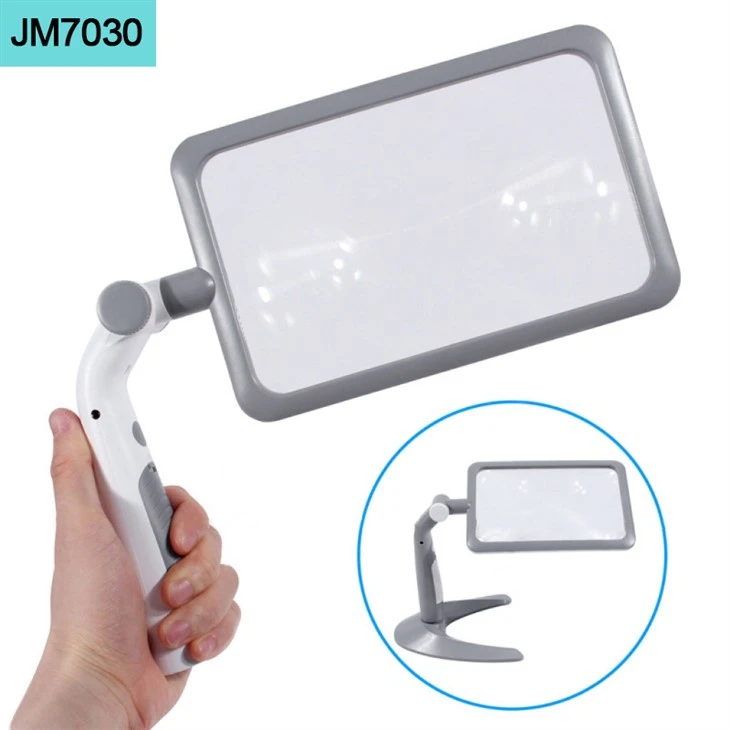

LEDs also don't flicker like some traditional bulbs do. Flickering lights can cause eye strain and headaches, especially if you're using the lamp for long periods. With an LED magnifying lamp, you get a steady, flicker - free light source that's easier on your eyes.
So, to sum it all up, LED magnifying lamps are definitely energy - efficient. They save you money on electricity, last longer, provide better light quality, and are better for the environment. If you're in the market for a new magnifying lamp, I highly recommend considering an LED option.
If you're interested in purchasing our LED magnifying lamps or have any questions about our products, feel free to reach out. We're always happy to help you find the perfect lamp for your needs. Whether you're a hobbyist, a professional, or just someone who needs a little extra light, we've got the right solution for you.
References
- "Energy Efficiency of Lighting Technologies." Energy.gov.
- "LED Lighting Basics." Lighting Research Center, Rensselaer Polytechnic Institute.